
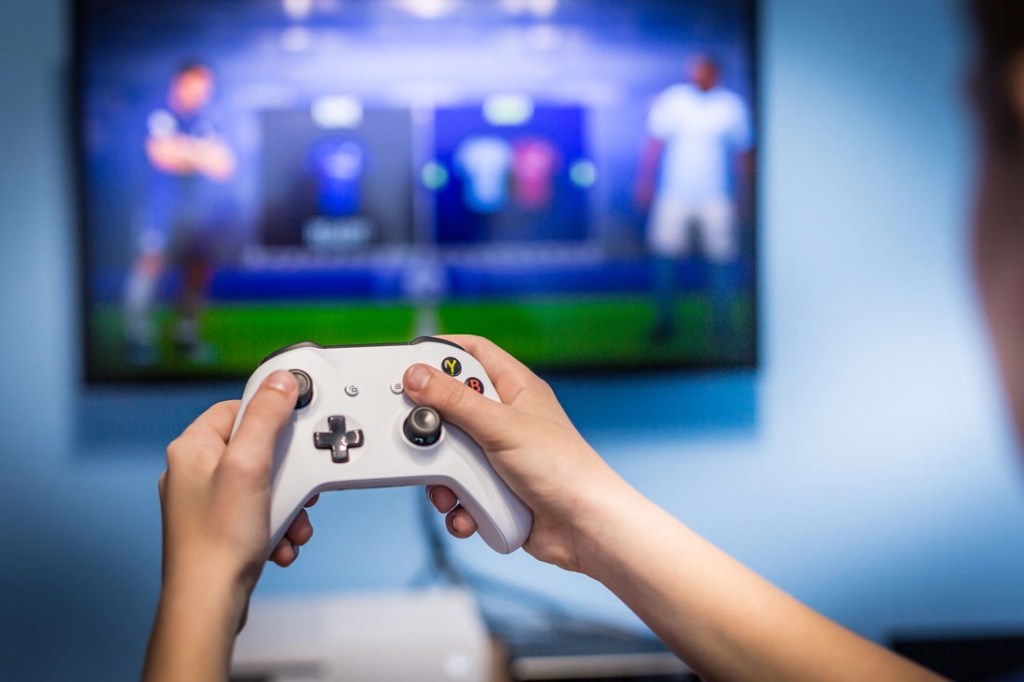
What’s your favorite game (card, board, video, etc.)? Why?
Growing up, games were an integral part of my life, shaping my experiences and creating lasting memories. From the early days of playing card games with my parents to the captivating world of electronic games, my relationship with gaming has undergone a significant transformation over the years.
When I was a young child, around the age of five, my parents introduced me to the world of card games. I believe their intention was twofold: to help me develop essential skills like calculation and logical thinking, and to provide a source of entertainment and family bonding. I quickly became proficient in various card games, and these moments spent playing with my family became some of my most cherished childhood memories.
As I grew older, the tradition of family game nights continued. Even in my early college years, gathering around the mahjong table with my parents and brother was the ultimate form of family entertainment. The laughter, the friendly competition, and the shared experiences created an unbreakable bond between us. Although the frequency of these gatherings diminished over time as our lives became busier, the nostalgia and longing for those precious moments remain etched in my heart.
During my university years, my gaming preferences shifted towards electronic games, particularly role-playing games (RPGs). I found immense satisfaction in immersing myself in the rich storylines, solving puzzles, and reaching the coveted “happy ending.” While many of my classmates gravitated towards real-time strategy or action games, I remained loyal to my love for standalone RPGs. These games not only provided entertainment but also served as a source of knowledge, exposing me to new ideas and perspectives.
However, my gaming habits took an unexpected turn when I discovered web-based games just before graduation. Despite their often simplistic graphics and rough game world settings, I found myself drawn to the social aspect of these games. Forming connections with other players became a driving force, and the friendships I made during that time have endured for over two decades. The sense of camaraderie and teamwork that came with battling monsters alongside friends created an empowering and heroic experience that overshadowed any shortcomings in the game’s design.
As I stepped into the working world, my priorities shifted, and gaming took a backseat. Adapting to the demands of a professional life and navigating the complexities of society became my primary focus. I realized that the real world was the ultimate game, one that required careful navigation and strategic thinking. Unlike virtual games, there were no save points or second chances in life. Failure carried real consequences, and missed opportunities could not be replayed.
The realization that life itself was the most significant and unforgiving game changed my perspective on gaming. I no longer felt the urge to escape into virtual worlds, as I understood that every moment spent there was a moment taken away from the challenges and rewards of the real world. Occasionally, I would indulge in a game of cards for leisure, but my dedication to electronic games had waned.
Years later, an unexpected request from my kindergarten-aged son reignited my connection to gaming. “Can you play the glory of kings?” he asked, explaining that all his classmates’ fathers could play the game. Despite my initial unfamiliarity with the game, I recognized the importance of this moment. It was an opportunity to bond with my child, just as my parents had done with me through card games.
As I learned to play “Glory of Kings,” I discovered a new appreciation for the game. It became a shared experience between my son and me, reminiscent of the card games I played with my own parents. Although I could never truly go back to being a five-year-old again, these gaming sessions with my son created a beautiful illusion of revisiting those cherished moments from my childhood.
Through this experience, I realized that games serve a purpose beyond mere entertainment. They have the power to forge connections, bridge generations, and create lasting memories. The game of life may be the most crucial one we play, but it is the unexpected moments of happiness and bonding that make the journey worthwhile.
Looking back on my gaming journey, I see how my relationship with games has evolved over time. From the innocent card games of my childhood to the immersive RPGs of my university years, and finally to the shared gaming experiences with my own child, each phase has taught me valuable lessons and shaped my perception of the world.
Games, in their various forms, have been a constant presence in my life, weaving together memories, relationships, and personal growth. They have served as a reminder that while the game of life demands our full attention and dedication, it is the moments of connection and joy that truly define our existence.
As I continue to navigate the complexities of life, I carry with me the lessons learned from my gaming experiences. I understand that success in the real world requires resilience, adaptability, and a willingness to embrace challenges head-on. At the same time, I recognize the importance of cherishing the moments of happiness and bonding that games can provide, whether it’s through a simple game of cards or a shared virtual adventure with my son.
In the end, the role of games in my life has been a journey of self-discovery, connection, and growth. From the innocent joy of childhood card games to the unexpected happiness found in playing alongside my own child, games have taught me that life is a delicate balance of responsibility and cherished moments. As I move forward, I will continue to embrace the lessons learned from my gaming experiences, using them as a guide to navigate the ever-changing landscape of life, while never losing sight of the importance of family, bonding, and the simple joys that make the journey worthwhile.

 Johngai’s Tech Forge