
Tag: technology
-
Introducing the Preview Release of AI Toolkit for VS Code with MCP Server Integration

Visual Studio Code has launched a Preview version of its AI Toolkit, featuring MCP Server integration that enhances AI application development. This toolkit facilitates building, testing, and deploying AI solutions, supporting major AI providers and local models. It includes improved tools for developers, data scientists, and educators, making AI development more accessible.
-
Cloud vs Open-Source: Comparing AWS, Azure, GCP Services

Modern enterprises must choose between cloud-native services from providers like AWS, Azure, and Google Cloud, and open-source tools that offer more control. This guide discusses key domains including Machine Learning, Data Engineering, DevOps, and Business Intelligence, comparing strengths, weaknesses, and use cases for each solution to help inform decisions.
-
Chrome on macOS Cannot Access Router — Full Analysis and Fix
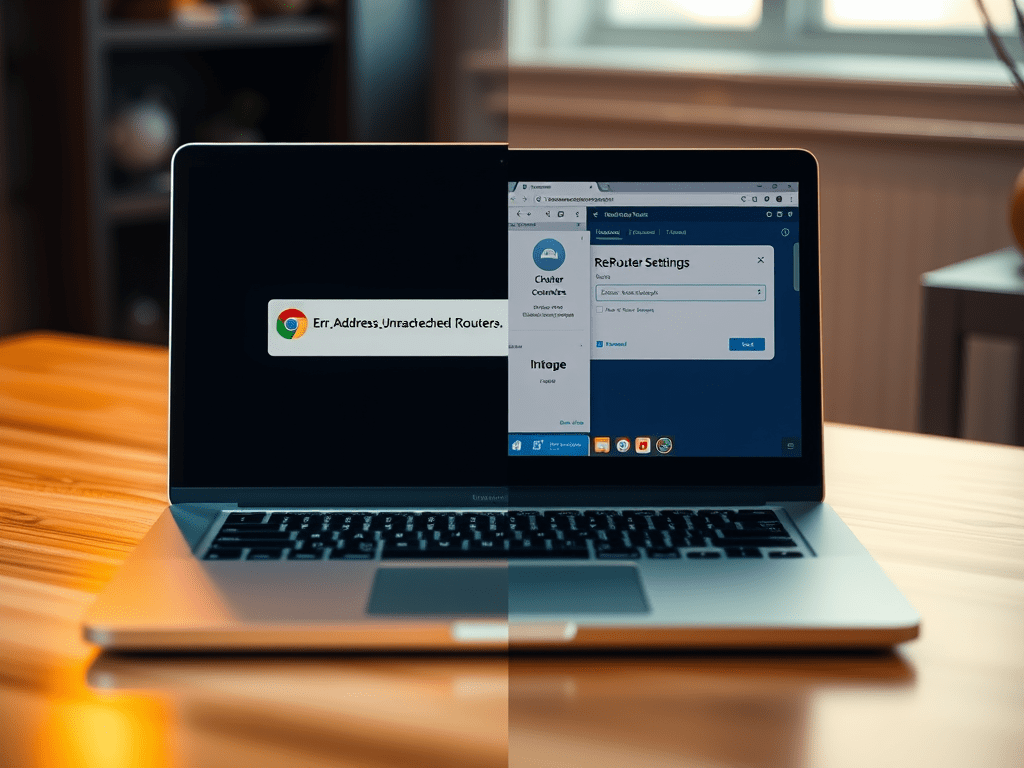
A user experienced connectivity issues with accessing a local router on Chrome for macOS, encountering “ERR_ADDRESS_UNREACHABLE” while Safari works fine. Troubleshooting involved reinstalling Chrome, resetting settings, and command-line flags. The root cause was Chrome’s security mechanisms and user data directory conflicts. Cleaning the directory resolved the issue effectively.
-
The Rare Satisfaction of Finishing a Technical Book

I recently closed the last page of Real-World Next.js by Michele Riva, and something unusual struck me—I had actually finished a technical book from beginning to end. That doesn’t happen often. Like many developers, my usual approach to technical books is highly utilitarian. I read what I need, when I need it. The beginning of…
-
A Fast Start with Ansible: Managing Your Servers Like a Pro

Ansible provides an agentless method to manage infrastructure, including cloud and physical servers. This guide covers project setup, secure password management with Vault, and execution of playbooks. It emphasizes the importance of inventory structure, common CLI commands, and troubleshooting tips, enabling users to automate their environments effectively.
-
How to Fix SSH “Client_loop: send disconnect: Broken pipe” Error

The Client_loop: send disconnect: Broken pipe error in SSH occurs due to inactivity, leading to connection loss. To resolve it, configure SSH to send keep-alive messages by modifying the server’s SSH daemon settings or using client command-line options. These changes help maintain uninterrupted SSH access and enhance productivity.
-
Comprehensive Guide for Developers Working with C#, Python, TypeScript, and Go: Best Practices, Solutions, and Quick References

This guide serves as a comprehensive resource for developers proficient in C#, Python, TypeScript, and Go, emphasizing their applications in Windows development, data science, web development, and microservices. It offers best practices, syntax examples, and libraries to streamline development, ensuring high-quality, efficient, and maintainable code across diverse projects.
-
Updating Deprecated Commands in “Kubernetes in Action”

The post reviews the book “Kubernetes in Action” by Marko Luksa, highlighting deprecated commands in Kubernetes as it evolves. It updates commands for managing ReplicaSets instead of ReplicationControllers, emphasizes using deployments for scaling and updates, and suggests using declarative management for better resource management in Kubernetes.
-
Troubleshooting Kubernetes Service Exposure with Minikube

This blog post outlines troubleshooting steps for exposing a service in Kubernetes while addressing deprecated commands. Initially, the author updated the command for deployment. After encountering LoadBalancer issues in Minikube, a switch to NodePort was made. Following further connectivity issues, port forwarding and Minikube tunnel were used to access the service successfully.
-
AutoOps: The Future of IT Automation and Integrated Operations

AutoOps is an integrated approach to IT operations, combining automation, cloud infrastructure, machine learning, DevOps, and financial management. It streamlines processes like infrastructure management, CI/CD, and incident response, enhancing efficiency, scalability, and reliability. By embracing AutoOps, organizations can improve operations, reduce costs, and accelerate software delivery in a competitive landscape.

 Johngai’s Tech Forge